

- Chainlink infrastructure supports more than $20 billion in tokenized assets
- Analysts say LINK utility growth still outpaces current market price action
- Traders continue monitoring LINK accumulation metrics and RWA sector expansion
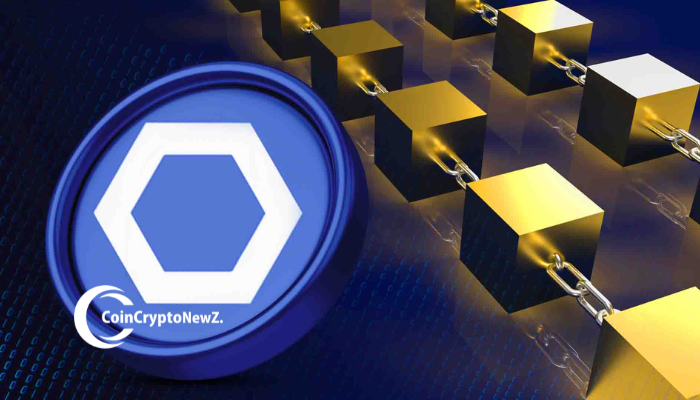
Chainlink is gaining renewed attention as the real-world asset sector surpasses the $20 billion milestone on-chain. According to Alphractal, much of this infrastructure growth has relied on Chainlink services, including oracles, Proof-of-Reserve systems, and CCIP interoperability rails. Despite the expanding adoption narrative, LINK price action has yet to fully reflect the network’s growing role across tokenized finance markets.
Chainlink Infrastructure Supports Rapid RWA Market Expansion
The tokenized asset market has expanded significantly in recent months. Analysts estimate that more than $20 billion worth of real-world assets now operate on-chain across multiple blockchain ecosystems. Chainlink has become one of the main infrastructure providers supporting that growth.
Alphractal highlighted that Chainlink oracles continue powering critical price feeds for decentralized finance and tokenized asset protocols. The network’s Proof-of-Reserve technology also helps verify collateral backing for blockchain-based assets. Meanwhile, the Cross-Chain Interoperability Protocol, known as CCIP, allows communication between separate blockchain systems.
This combination has positioned Chainlink as a foundational layer within the broader RWA ecosystem. Many blockchain projects depend on reliable external data and secure interoperability to function efficiently. As institutional interest in tokenized assets grows, analysts expect demand for these services to increase further.
Chainlink Price Lags Despite Growing Network Utility
While adoption metrics continue improving, LINK price performance has remained relatively subdued compared to the wider narrative. Alphractal described LINK as “the silent backbone” behind tokenized finance, noting that infrastructure providers often lag during the early stages of sector expansion.
The analyst also pointed traders toward the LINK W-R Delta metric, which monitors wallet rotation and accumulation behavior. Market participants use this indicator to identify whether larger holders are increasing exposure during periods of slower price action.
Historically, infrastructure-focused crypto assets have sometimes underperformed before stronger market recognition develops.
Broader market conditions also continue influencing LINK momentum. Traders remain focused on Bitcoin direction, macroeconomic sentiment, and liquidity flows across altcoins. However, Chainlink’s role within tokenized assets continues strengthening as institutions explore blockchain-based settlement systems and real-world asset integration.
Disclaimer: This article is for informational purposes only and does not constitute financial advice. CoinCryptoNewz is not responsible for any losses incurred. Readers should do their own research before making financial decisions.