

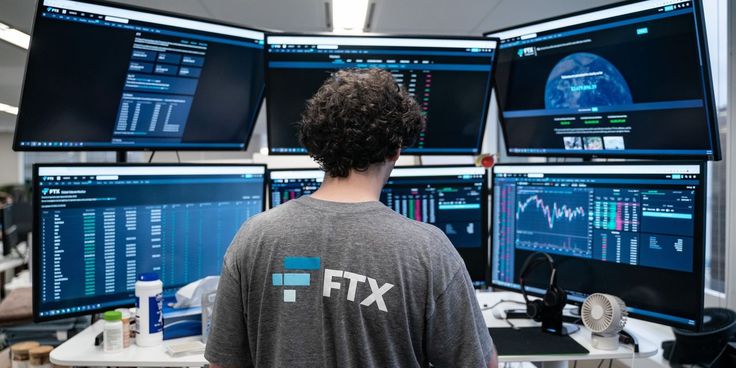

- Sam Bankman-Fried seeks a new trial and challenges the $11 billion forfeiture imposed alongside his prison sentence.
- His petition disputes how the trial court treated evidence about customer losses and potential repayments.
- Justices must decide whether to hear the case before considering any relief requested in the petition.
Sam Bankman-Fried asked the U.S. Supreme Court on Thursday to review his FTX conviction and an $11 billion forfeiture order. His petition seeks a new trial, challenging restrictions on evidence concerning customer losses.
The former exchange chief is serving a 25-year prison sentence. A jury convicted him on seven counts involving fraud, conspiracy and money laundering.
Sam Bankman-Fried Challenges Treatment of Loss Evidence
According to CNN, which reviewed the petition, Sam Bankman-Fried argues that prosecutors presented customer losses while courts restricted rebuttal evidence. His defense contends FTX and Alameda Research held assets sufficient to cover customer obligations despite their liquidity problems.
Those statements form part of his legal argument, rather than a judicial finding that customers suffered no harm. Prosecutors established that he diverted customer funds to Alameda for investments, political donations and personal benefit.
Sam Bankman-Fried frames the dispute around whether loss evidence belongs in a fraudulent-inducement prosecution. If prosecutors introduce such evidence, he argues, defendants should have an opportunity to challenge it.
A Second Circuit panel upheld the conviction in June. Its reasoning drew on the Supreme Court’s 2025 decision in Kousisis v. United States.
Supreme Court Fraud Ruling Shapes the Petition Arguments
In Kousisis, the justices held that fraudulent inducement can support wire fraud convictions without proof of net economic loss. The ruling rejected the argument that providing equivalent economic value necessarily defeats such charges.
Sam Bankman-Fried does not simply repeat his earlier argument that repayment defeats fraud charges. Instead, his petition questions the fairness of allowing one side to present loss evidence while restricting the other.
Separately, he challenges the $11 billion forfeiture under the Eighth Amendment’s prohibition on excessive fines. That claim concerns the financial penalty imposed alongside his imprisonment.
CNN reports that the justices could decide later this year whether to take the case. Filing a petition does not mean the Supreme Court has agreed to hear it.
Disclaimer: This article is for informational purposes only and does not constitute financial advice. CoinCryptoNewz is not responsible for any losses incurred. Readers should do their own research before making financial decisions.